
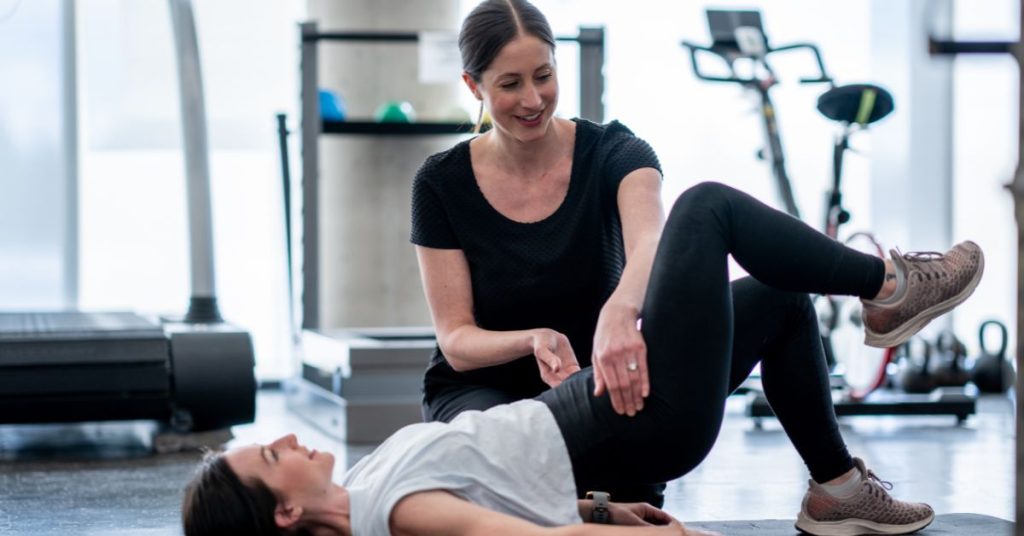
Simple information about pelvic pain and how physiotherapy may help
Pelvic pain can affect sitting, walking, exercise, sleep and intimacy. It can be difficult to talk about, but you do not need to manage it alone. Pelvic pain has many possible causes, and a physiotherapy assessment may help identify whether muscles, movement or pelvic floor function are contributing to your symptoms.
What is pelvic pain?
Pelvic pain is discomfort in the lower abdomen, pelvis, hips, groin or nearby areas. It may feel like an ache, pressure, burning, sharp pain or muscle tightness. It can affect people of all genders and may occur after pregnancy, childbirth, surgery, injury or alongside another health condition.
Not all pelvic pain comes from the pelvic floor. Your GP or another health professional may need to investigate other possible causes, particularly when symptoms are new, severe or changing.
How can physiotherapy help?
Pelvic pain physiotherapy is tailored to you. Depending on your assessment, your physiotherapist may help with:
- Tight or overactive pelvic floor muscles
- Muscle weakness or poor coordination
- Pain linked with the hips, lower back or abdominal muscles
- Comfortable movement, sitting and daily activity strategies
- A gradual return to exercise, work or other activities
Pelvic floor exercises are not always about strengthening. When muscles are tight or painful, learning to relax and coordinate them may be more helpful. Your treatment plan should be based on your individual symptoms, not a generic exercise routine.
What happens at your first appointment?
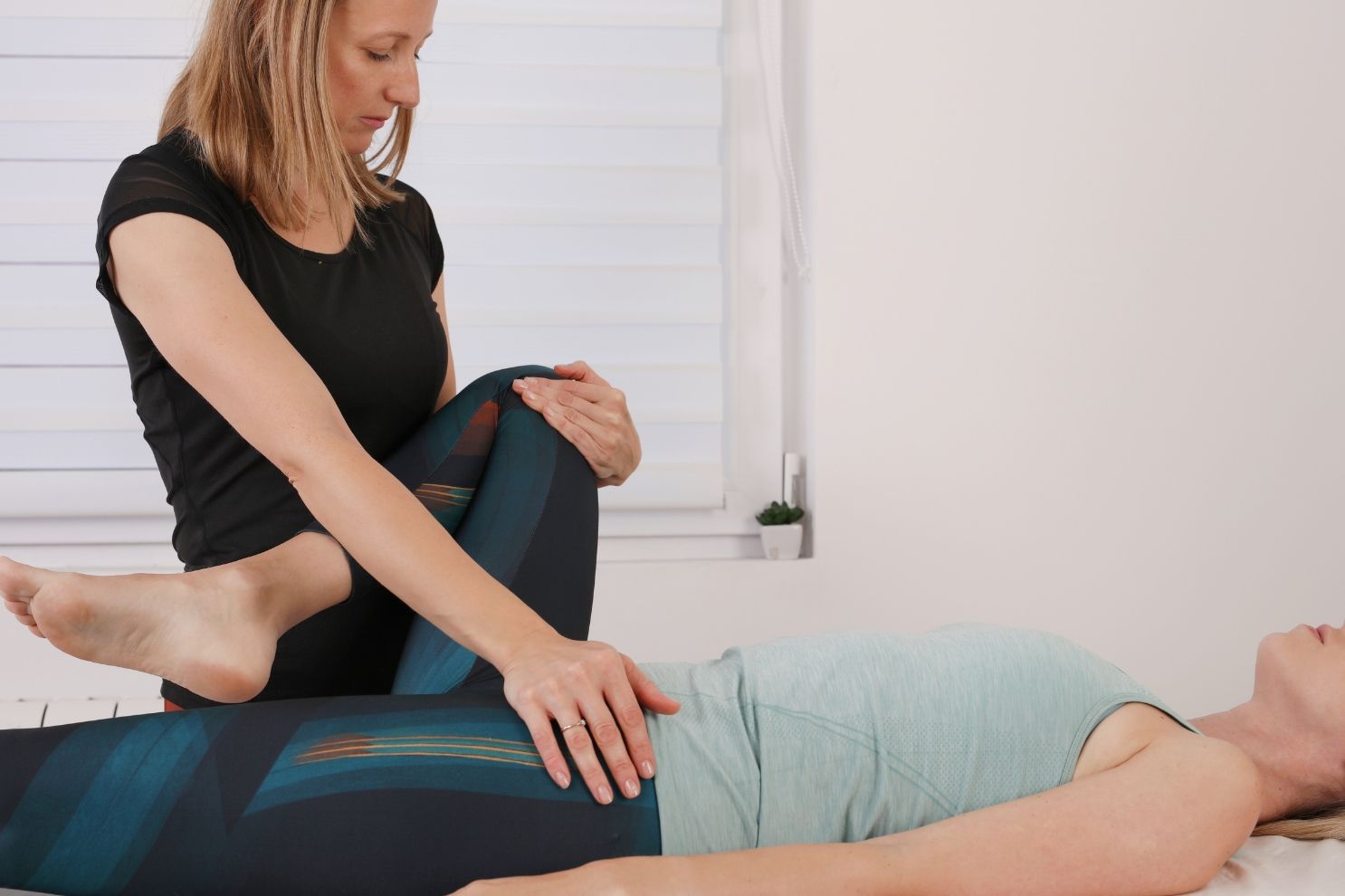
Your physiotherapist will first listen to your concerns and ask about your symptoms, medical history, daily activities and goals. They may assess your posture, breathing, movement, hips and lower back.
An internal pelvic floor examination may be offered when it could help the assessment, but it is never automatic. The physiotherapist should explain why it is suggested, obtain your consent and respect your decision. You can ask questions, decline the examination or discuss alternatives at any time.
Simple ways to support recovery
- Follow the plan designed for you rather than pushing through pain.
- Notice which activities worsen or ease your symptoms.
- Take regular breaks from prolonged sitting if this increases discomfort.
- Discuss any bladder, bowel or sexual-health symptoms openly with your clinician.
When should you see a doctor urgently?
Arrange a medical review if pelvic pain persists, worsens or affects everyday life. Seek urgent medical care for sudden or severe pelvic or abdominal pain, fainting, fever, heavy bleeding, persistent vomiting or possible pregnancy. These symptoms may need prompt medical assessment.
Need support with pelvic pain?
At SpineX Healthcare, our physiotherapists can assess your symptoms, explain whether physiotherapy may be suitable and develop a plan around your goals. Book an appointment to discuss your next steps.
Important: This article provides general information only and is not a substitute for individual medical advice.