
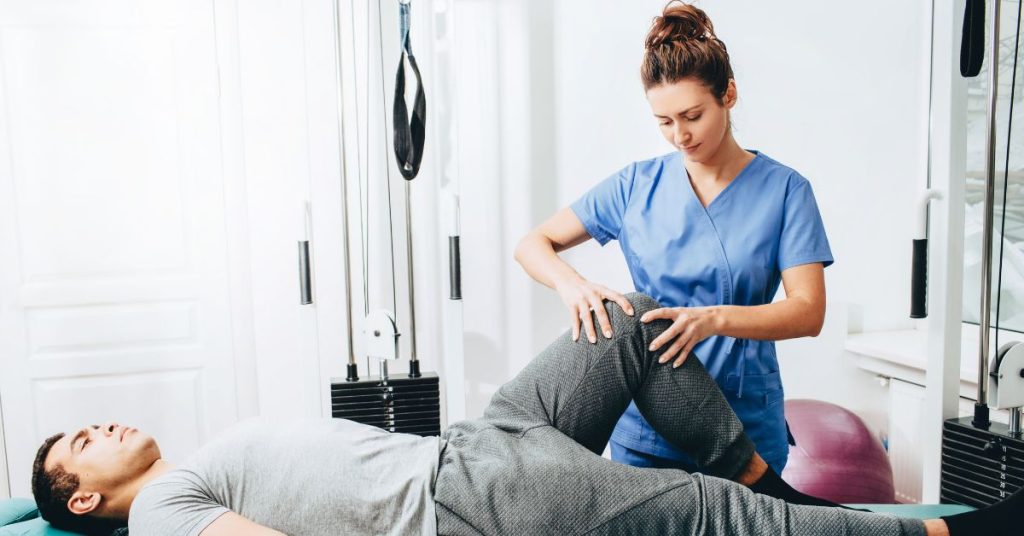
Knee replacement surgery is a common procedure for people experiencing severe knee pain, joint damage or reduced mobility. It involves replacing damaged parts of the knee joint with artificial components to help improve movement and reduce discomfort.
While surgery is an important step towards better mobility, recovery also requires proper rehabilitation. Physiotherapy after knee replacement plays an important role in helping individuals regain strength, improve flexibility and return to everyday activities.
With a suitable rehabilitation program, patients can gradually work towards walking more comfortably, improving knee movement and becoming more independent.
Why Is Physiotherapy Important After Knee Replacement?
After knee replacement surgery, the muscles surrounding the knee may become weak, and joint movement can be limited. Swelling, stiffness and discomfort may also affect your ability to walk or perform daily activities.
Physiotherapy helps support recovery through guided exercises and movement techniques.
Some key benefits include:
- Improved knee movement: Exercises help gradually improve the ability to bend and straighten the knee.
- Increased muscle strength: Strengthening exercises target the muscles supporting the knee joint.
- Better balance: Rehabilitation activities help improve stability and coordination.
- Improved walking ability: Physiotherapy supports a gradual return to walking and other everyday movements.
- Greater independence: Building strength and mobility may make daily activities easier to manage.
What Does Physiotherapy After Knee Replacement Involve?
A physiotherapy program is generally adjusted according to your recovery stage, physical condition and surgeon’s recommendations.
Some common components include:
1. Gentle Movement Exercises
Gentle exercises may begin soon after surgery, when approved by your treating team. These movements help maintain circulation and gradually restore knee mobility.
2. Knee Strengthening Exercises
The muscles around the knee, particularly the quadriceps and hamstrings, play an important role in supporting movement. Physiotherapy may include exercises to gradually rebuild muscle strength.
3. Walking and Balance Training
Walking practice helps patients become more comfortable with movement after surgery. Your physiotherapist may also introduce balance exercises to improve stability and confidence.
4. Flexibility Exercises
Controlled stretching and mobility activities may help reduce stiffness and support a gradual improvement in knee movement.
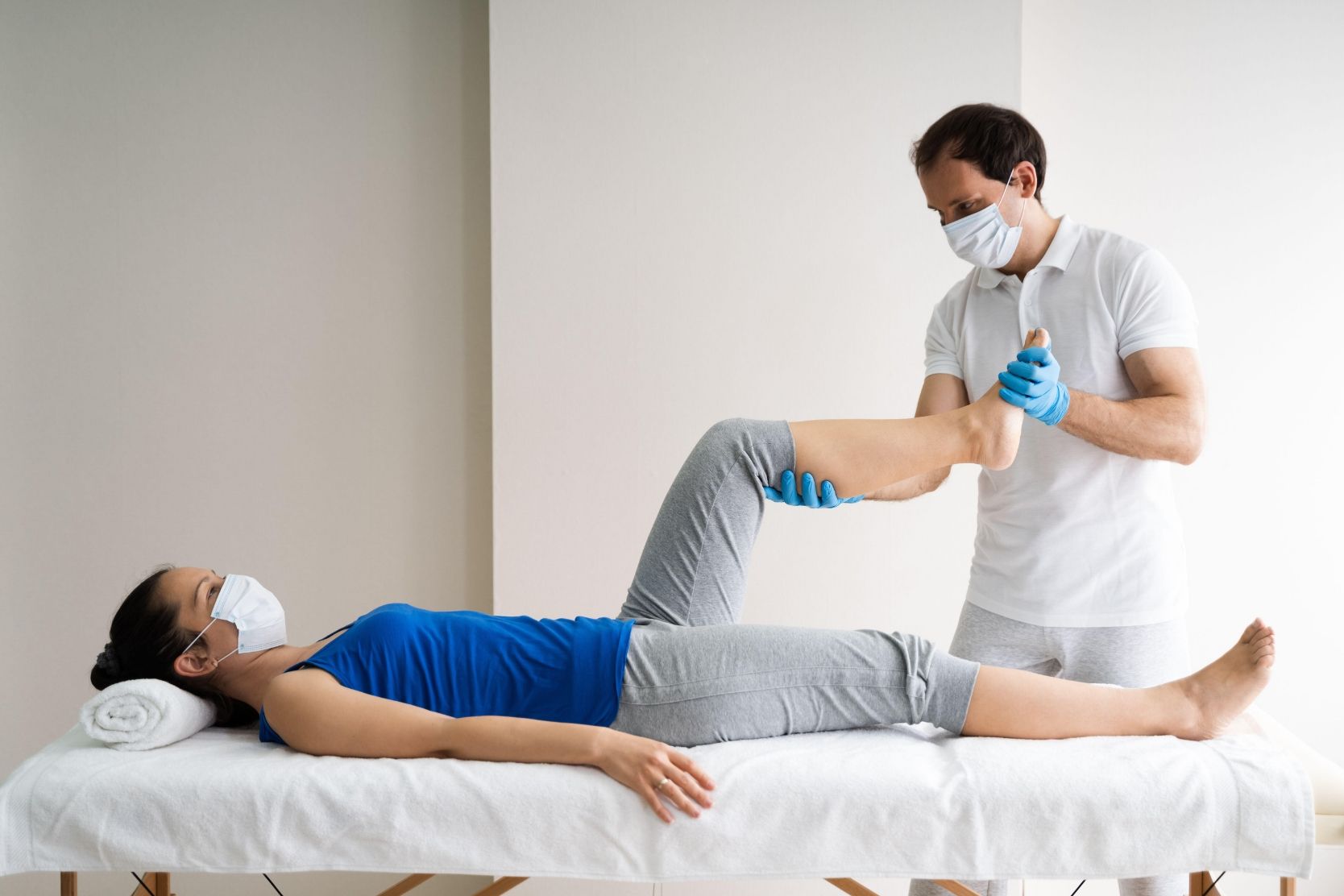
What Are the Stages of Knee Replacement Recovery?
Recovery after knee replacement surgery is different for everyone. Your progress depends on factors such as overall health, physical condition, surgical outcomes and rehabilitation consistency.
Early Recovery
The initial stage focuses on managing swelling, beginning gentle movements and gradually getting comfortable with standing and walking. Walking aids may be recommended during this period.
Building Strength and Mobility
As recovery progresses, exercises may become more focused on improving muscle strength, knee flexibility and walking ability. Your physiotherapist can adjust the program according to your progress.
Returning to Everyday Activities
The later stages focus on improving functional movement, balance and endurance. This may help you work towards activities such as climbing stairs, getting in and out of chairs and walking longer distances.
Always follow your surgeon’s and physiotherapist’s recommendations throughout recovery.
How Can You Support Your Recovery After Knee Replacement?
Along with attending physiotherapy sessions, following appropriate recovery advice can help support your progress.
- Follow your exercise program: Complete the exercises recommended by your physiotherapist.
- Avoid overexertion: Increase activity gradually and allow time for recovery.
- Manage swelling: Follow your treating team’s advice on rest, elevation and other recommended strategies.
- Use walking aids when needed: Follow professional advice about using crutches, walkers or other support.
- Attend follow-up appointments: Regular reviews help monitor your recovery and address any concerns.
- Stay consistent: Gradual and regular movement can support improvements in strength and mobility.
If you experience increasing pain, significant swelling, fever, wound changes or other concerning symptoms, contact your healthcare team promptly.
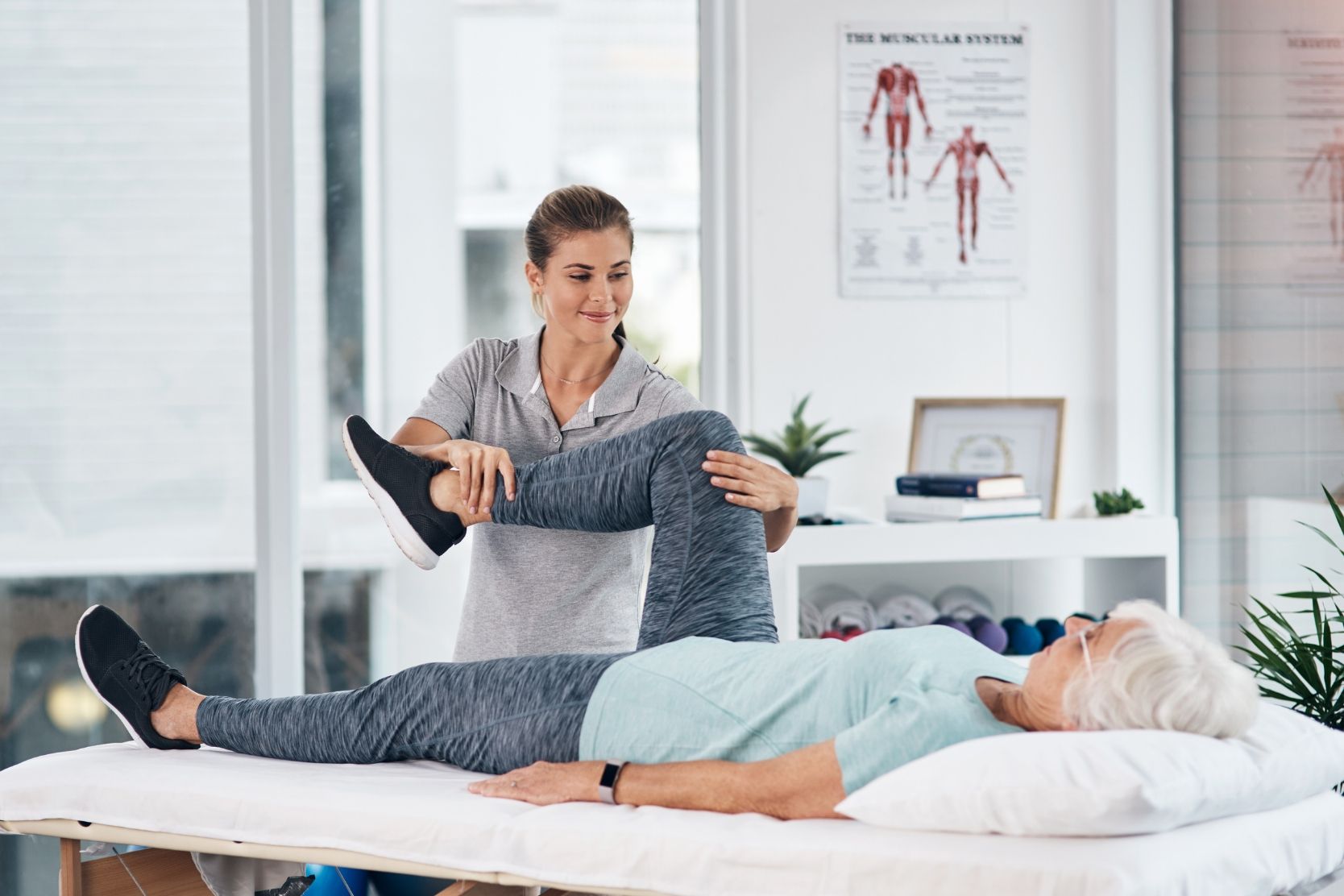
Start Your Knee Replacement Rehabilitation With SpineX Healthcare
Recovering from knee replacement surgery takes time, patience and the right rehabilitation support. Physiotherapy can help you gradually improve knee movement, rebuild muscle strength and work towards greater independence in everyday activities.
At SpineX Healthcare, our physiotherapy team focuses on individual recovery needs and movement goals. We can help assess your physical requirements and develop an appropriate physiotherapy program to support your rehabilitation.
If you have undergone knee replacement surgery and want support with your recovery, get in touch with SpineX Healthcare to discuss your physiotherapy needs and book an appointment.